modular vault room
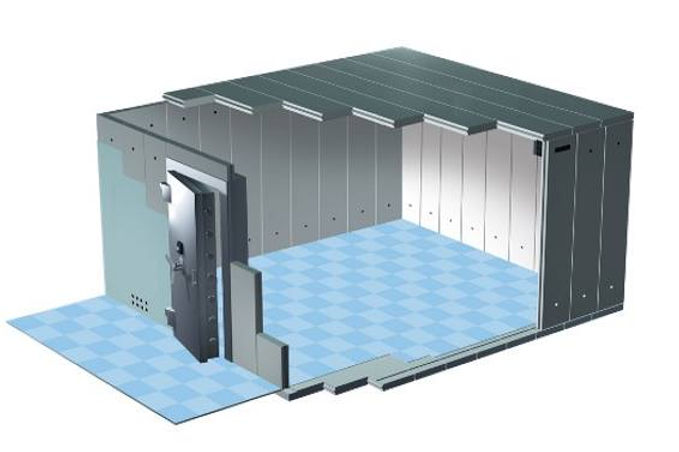
In a world where security, flexibility, and future-proof design are increasingly important, a modular vault room offers a smart solution for both residential and commercial needs. Unlike traditional vaults that are built permanently into a structure, modular vault rooms are prefabricated systems made from interlocking panels that can be assembled, expanded, or even relocated. Designing your own modular vault room allows you to customize protection, size, and functionality while maintaining efficiency and cost control. Here’s a step-by-step guide to help you plan and design the ideal modular vault room.
1. Define the Purpose of Your Modular Vault Room
The first step is understanding why you need a modular vault room. The intended use will influence nearly every design decision.
Common purposes include:
- Securing cash, documents, or precious metals
- Protecting firearms or high-value collectibles
- Storing pharmaceuticals or sensitive equipment
- Safeguarding digital assets or servers
A vault used for document storage may prioritize fire resistance and climate control, while one designed for valuables may require higher burglary resistance. Clearly defining the purpose ensures your modular vault room meets the right security standards without unnecessary costs.
2. Choose the Right Location
Location plays a major role in both security and practicality. Modular vault rooms can be installed in basements, ground floors, warehouses, or secure back rooms.
When selecting a location, consider:
- Load-bearing capacity of the floor
- Accessibility for delivery and assembly
- Proximity to utilities like electricity and HVAC
- Discretion and visibility
Because modular vault rooms are prefabricated, they can often be installed in spaces where traditional poured-in-place vaults are not feasible. Still, the surrounding structure should support the weight and allow for safe installation.
3. Select the Appropriate Security Level
Security ratings are a critical part of designing a modular vault room. Panels and doors are typically tested against forced entry, tool attacks, and sometimes ballistic threats.
Key security components include:
- Steel thickness and reinforcement
- Composite or concrete-filled panels
- Anti-tamper locking mechanisms
- Certified vault doors with multiple locking bolts
Choose a security level that aligns with the value of what you’re protecting and any insurance requirements. Overbuilding can be costly, while underbuilding can leave assets vulnerable.
4. Plan the Size and Layout
One of the biggest advantages of a modular vault room is scalability. You can design a room that fits your current needs and expand it later if required.
When planning size and layout, think about:
- Storage capacity and shelving systems
- Walkway clearance for safe movement
- Door swing direction and emergency exits
- Space for future expansion
A well-planned layout improves usability and reduces the risk of accidents, especially in high-density storage environments.
5. Consider Environmental Controls
Many items stored in a modular vault room are sensitive to temperature, humidity, or air quality. Environmental controls are often overlooked but are essential for long-term protection.
Options may include:
- Climate control systems
- Dehumidifiers or moisture barriers
- Fire-resistant insulation
- Smoke and heat detection systems
If you’re storing paper documents, electronics, or pharmaceuticals, proper environmental planning can prevent damage that even the strongest vault walls cannot stop.
6. Integrate Access Control and Monitoring
Modern modular vault rooms often go beyond physical barriers by incorporating smart security features.
Popular access and monitoring options include:
- Biometric scanners or keycard systems
- Time-delay locks
- Surveillance cameras
- Alarm systems connected to monitoring services
Designing these systems into the vault from the beginning ensures clean installation and reduces the need for later modifications.
7. Plan for Installation and Assembly
One of the key benefits of a modular vault room is fast installation. However, proper planning is still essential.
Before installation:
- Confirm delivery access and assembly space
- Verify power and ventilation requirements
- Coordinate with certified installers if required
- Review local building codes and permits
Because modular vault rooms are assembled panel by panel, installation is typically faster and less disruptive than traditional construction.
8. Think About Future Flexibility
A truly well-designed modular vault room isn’t just about today—it’s about tomorrow. Business growth, changing security needs, or relocation may require adjustments.
Modular systems allow you to:
- Add or remove panels
- Relocate the entire vault
- Upgrade doors or locking systems
- Reconfigure interior layouts
Designing with flexibility in mind protects your investment and ensures long-term value.
Conclusion
Designing your own modular vault room is a strategic process that balances security, functionality, and adaptability. By clearly defining the purpose, selecting the right location, choosing appropriate security levels, and planning for environmental control and future expansion, you can create a vault room that meets your exact needs. The modular approach offers unmatched flexibility and efficiency, making it an ideal choice for anyone seeking robust protection without the limitations of traditional vault construction. With thoughtful planning and smart design choices, a modular vault room can provide peace of mind for years to come.