
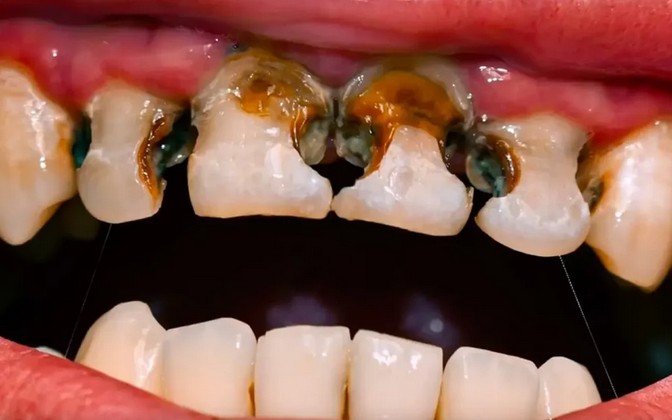
Tooth Decay
Tooth decay is one of the most common dental health problems, affecting people of all ages worldwide. Despite being largely preventable, it remains a leading cause of pain, infection, and even tooth loss. Understanding what tooth decay is, how it develops, and how to prevent it is essential for maintaining good oral and overall health. This comprehensive guide will explain everything you need to know about tooth decay, from its causes to effective prevention and treatment strategies.
What is Tooth Decay?
Tooth decay, also known as dental caries, is the destruction of the hard outer layers of the tooth. It occurs when acids produced by bacteria in the mouth gradually break down the enamel and dentin. If left untreated, tooth decay can progress deeper into the tooth, reaching the pulp and causing severe pain, infection, or abscesses.
How Tooth Decay Develops
Tooth decay develops in a gradual process consisting of several stages:
Plaque Formation: The mouth naturally contains bacteria that feed on sugars and starches from food and drinks. These bacteria form a sticky film called plaque on the teeth.
Acid Production: When bacteria metabolize sugars, they produce acids that attack the enamel.
Enamel Erosion: Repeated acid attacks weaken and dissolve the minerals in the enamel, causing small cracks.
Dentin Damage: Once the enamel is affected, decay spreads more rapidly through the softer dentin layer beneath.
Pulp Infection: In advanced stages, bacteria reach the pulp, which contains nerves and blood vessels, causing pain and inflammation.
Common Causes of Tooth Decay
Several factors contribute to the development of tooth decay, including:
Poor oral hygiene: Infrequent brushing and flossing allow plaque to build up.
High sugar and carbohydrate intake: Sugary snacks, sodas, and processed foods feed acid-producing bacteria.
Frequent snacking: Constant eating increases the likelihood of acid production by bacteria.
Dry mouth: Saliva helps neutralize acids and wash away food particles. Decreased saliva flow increases the risk of cavities.
Lack of fluoride: Fluoride strengthens enamel and helps prevent cavities.
Inadequate dental care: Skipping regular dental checkups can cause cavities to go undetected.
Signs and Symptoms of Tooth Decay
Early tooth decay may not cause noticeable symptoms, so regular visits to the dentist are crucial. As tooth decay progresses, symptoms may include:
Tooth sensitivity to hot, cold, or sweet foods
Visible holes or pits in the teeth
Toothache or persistent pain
Brown, black, or white spots on the tooth surface
Bad breath or an unpleasant taste
Swelling or pus around the tooth in severe cases
Who is at risk?
Tooth decay can affect anyone, but certain groups are more vulnerable:
Children and teenagers: Tooth development and diets high in sugar increase the risk.
Older adults: Gum recession exposes tooth roots, which are more prone to decay.
People with dry mouth: Caused by medications or medical treatments.
People with limited access to dental care: Lack of preventive services can lead to untreated cavities.
Preventing Tooth Decay
Preventing tooth decay depends largely on good oral hygiene and a healthy lifestyle. Effective prevention strategies include:
Brushing your teeth twice a day: Use fluoride toothpaste to strengthen enamel.
Flossing daily: Removes plaque and food particles between teeth.
Limiting sugary foods and drinks: Reduce snacks high in sugar and acid.
Drinking water: Especially fluoridated water, which helps protect teeth.
Using dental sealants: Sealants protect the chewing surfaces of your molars.
Regular dental checkups: Professional cleanings and early detection are key.
Treatment Options for Tooth Decay
Treatment for tooth decay depends on its stage:
Fluoride treatments: Early-stage cavities can sometimes be reversed with professional fluoride applications.
Dental fillings: The decayed material is removed and the tooth is restored with composite resin, amalgam, or other materials.
Crowns: These are used when decay is extensive and the tooth structure is weakened. more