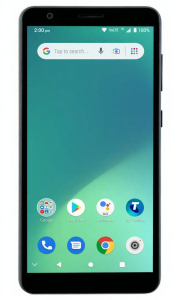

Mobile
In today’s fast-paced, technology-driven world, choosing the right mobile device is more important than ever. Whether you’re upgrading your current phone, purchasing your first device, or looking for something that fits specific needs, selecting the perfect mobile can be a daunting task. There are numerous options available, and each mobile device has unique features and specifications that may or may not suit your requirements. This guide will help you navigate the complexities of selecting the best mobile device based on key factors such as performance, design, battery life, camera quality, software ecosystem, and price.
1. Understanding Your Needs
The first step in choosing the right mobile device is understanding your needs. Are you looking for a phone that can handle heavy gaming, or are you simply in need of a device for making calls and texting? Here are a few questions to help you assess your needs:
-
What do you use your phone for? Are you into social media, video editing, gaming, photography, or professional work?
-
How important is battery life to you? If you’re on the go all the time, a phone with long battery life might be a priority.
-
Do you need the latest features? Do you want 5G capabilities, an OLED display, or the most powerful camera setup?
-
What’s your budget? Knowing how much you’re willing to spend can help narrow down your options.
By understanding your needs, you can easily prioritize the features that matter most to you.
2. Performance and Specifications
Mobile devices are powered by processors, memory (RAM), and storage. These factors directly affect the overall performance of the device.
Processor (Chipset)
The processor is the brain of the device. High-performance processors can handle intensive tasks like gaming, multitasking, and running complex apps with ease. For Android phones, the most common processors are:
-
Qualcomm Snapdragon: Found in many premium Android devices like the Samsung Galaxy S series or the Google Pixel.
-
MediaTek: Used in mid-range devices but also found in some high-end smartphones, such as the Xiaomi Redmi series.
For Apple devices, the A-series chipsets (like the A15, A16, or the newest A17) are known for delivering industry-leading performance.
When choosing a mobile device, the newer the processor, the better the performance and future-proofing it will offer. Devices with high-end chips like the Snapdragon 8 Gen 2 or Apple’s A17 will be more capable of handling demanding applications over time.
RAM
RAM is essential for multitasking. If you tend to use many apps simultaneously, play games, or switch between tasks quickly, look for a phone with more RAM (at least 6GB for average use, 8GB or more for gaming or multitasking). High RAM will keep your phone fast and responsive.
Storage
Mobile devices come with different internal storage options, typically ranging from 64GB to 1TB. If you store a lot of media like photos, videos, and apps, consider a phone with at least 128GB of storage. Additionally, some Android devices allow for expandable storage via microSD cards, which gives you extra flexibility.
3. Design and Display
The design of your mobile device plays a big role in how comfortable and aesthetically pleasing it is to use. Phones today come in various shapes and sizes, with options such as curved edges, flat displays, and more.
Screen Size
The screen size is a personal preference. Larger displays (around 6.5 inches or more) are great for streaming, gaming, and multitasking. However, if you prefer a more compact phone, smaller screens (around 5.5 inches) are easier to handle and fit in pockets.
Display Quality
The display is one of the most noticeable features of any mobile device, and the quality of the screen matters greatly. Pay attention to:
-
Resolution: A Full HD+ display (1080p) is a good choice for most users, while QHD (1440p) is great for high-end devices.
-
Display Type: AMOLED and OLED screens offer better contrast, richer colors, and energy efficiency compared to LCD screens.
-
Refresh Rate: Phones with a higher refresh rate (90Hz, 120Hz, or even 144Hz) offer a smoother experience when scrolling, gaming, or using apps. High-refresh-rate screens are particularly important for gamers.
Build Quality
Look for devices with durable materials like glass or aluminum. Some phones come with IP ratings, which indicate water and dust resistance. For example, an IP68 rating ensures that your phone is resistant to water and dust.
4. Camera Quality
Mobile photography has come a long way in recent years, and many users prioritize camera performance when choosing a phone. The number of lenses, megapixels, and special features like night mode, optical zoom, and image stabilization can all affect the camera experience.
Megapixels and Lenses
While megapixels can influence image sharpness, it’s not the only factor that determines camera quality. Many flagship phones today offer multiple cameras, such as:
-
Ultra-wide: For capturing wider landscapes or large group photos.
-
Telephoto: To zoom in without losing clarity.
-
Macro: For close-up shots.
It’s important to note that the software behind the camera is just as important as the hardware. Apple’s iPhone cameras, for example, are known for their excellent software processing that produces natural-looking photos with accurate colors.
Video Capabilities
Look for phones that offer 4K video recording and image stabilization features. If you plan on creating content or capturing videos, these features will significantly improve the quality of your footage.
5. Battery Life
A mobile device’s battery life is critical, especially if you are a heavy user who is constantly on the go. Larger batteries (measured in milliampere-hours or mAh) usually last longer, but efficiency also depends on the phone’s processor, display, and optimization.
Battery Capacity
-
3000-4000 mAh: Average users will get a full day of use.
-
4000-5000 mAh: Ideal for heavy users or those who use their phones for gaming, video streaming, or long work hours.
-
5000 mAh and above: These are typically found in flagship phones designed for long-lasting battery life.
Fast Charging
Consider a phone that supports fast charging, as this allows you to recharge your device in less time. Many flagship phones now support charging speeds of up to 65W or higher, which can charge a phone to 50% in just 15 minutes.
Wireless charging is also a useful feature, though it’s typically slower than wired charging.
6. Software and Ecosystem
The software experience and ecosystem are crucial factors in determining which mobile device is best for you. The two main operating systems are iOS (used on Apple devices) and Android (used on a wide range of phones from manufacturers like Samsung, Google, OnePlus, Xiaomi, and others).
iOS vs Android
-
iOS (Apple): Known for its seamless user experience, regular updates, and integration with other Apple products like MacBooks, iPads, and Apple Watches. iPhones are typically easier to use, have a longer lifespan, and are more secure.
-
Android: Offers a more customizable experience and is available on a wide variety of devices at different price points. Android phones tend to offer more flexibility, such as expandable storage and a wider range of apps.
Both platforms have their strengths, so your decision may come down to personal preference, as well as which ecosystem (Apple or Google) you prefer.
7. Price and Budget
Mobile devices come in a wide range of prices, from budget phones to high-end flagships. Knowing your budget is key to narrowing down your options.
-
Budget Phones (Under $300): These phones provide essential features for users who need a device for basic tasks like calling, texting, and light browsing. Brands like Xiaomi, Motorola, and Samsung offer solid budget options.
-
Mid-Range Phones ($300-$600): These devices offer good performance, better displays, and improved cameras compared to budget models. Look for phones from OnePlus, Google Pixel, and Samsung’s A-series.
-
Flagship Phones ($600 and above): Premium devices like the iPhone 15, Samsung Galaxy S series, or Google Pixel Pro deliver cutting-edge performance, cameras, displays, and features. These devices come at a premium but are packed with the latest technologies.
Remember, spending more money usually means better performance, a better camera, and more premium materials, but you can find excellent devices in every price range.
8. Conclusion
Choosing the right mobile device involves balancing your needs, preferences, and budget. By considering factors such as performance, camera quality, display, battery life, and software ecosystem, you can make a more informed decision.
When it comes to choosing between Apple and Android, it ultimately comes down to your preference for the iOS or Android ecosystem and how much customization you want. Also, consider the longevity of software updates and customer support, which are important for ensuring your phone continues to perform well over time.
With the right mobile device in hand, you’ll have a tool that enhances your daily life, whether you’re working, staying connected with friends, creating content, or simply enjoying entertainment on the go. Happy phone hunting! more