
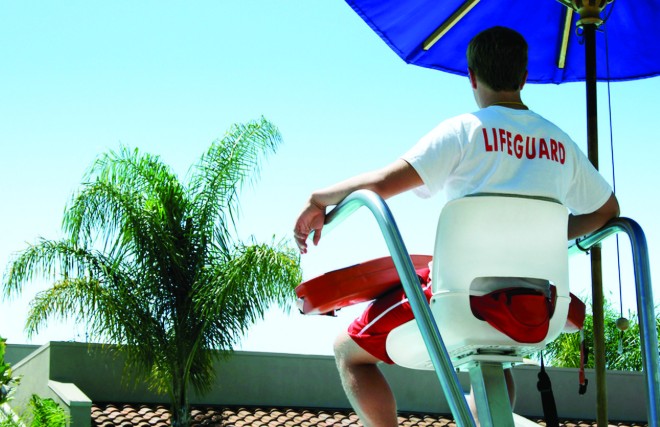
lifeguard class
A lifeguard class is a professional training program designed to teach individuals how to protect lives in aquatic environments such as swimming pools, beaches, lakes, and waterparks. These classes prepare students to prevent drowning, respond to emergencies, and provide life-saving care when accidents occur.
Unlike basic swimming lessons, lifeguard class focus on rescue techniques, CPR, first aid, and water safety management, making them essential for anyone pursuing a career in aquatic safety.
What Is a Lifeguard Class?
A lifeguard class is a structured course where participants learn how to:
- Supervise swimmers and aquatic areas
- Perform water rescues safely
- Provide CPR and first aid
- Prevent accidents before they happen
- Respond quickly in emergencies
After completing the class, students usually receive a lifeguard certification, allowing them to work professionally as lifeguards.
Who Should Take a Lifeguard Class?
Lifeguard classes are ideal for:
- Students looking for part-time jobs
- Individuals interested in fitness or swimming careers
- Pool, beach, or waterpark staff
- Anyone who wants life-saving skills
Most programs require participants to be at least 15–16 years old and have basic swimming ability.
Key Skills Taught in a Lifeguard Class
A lifeguard class includes both theoretical learning and practical training.
1. Water Rescue Techniques
Students learn how to safely rescue swimmers in danger.
Training includes:
- Active drowning rescues
- Passive (unconscious) victim rescues
- Deep-water recovery
- Spinal injury handling
You also learn to use equipment like:
- Rescue tubes
- Life rings
- Backboards
- CPR and First Aid Training
This is one of the most important parts of the class.
You learn how to:
- Perform CPR on adults, children, and infants
- Treat choking victims
- Control bleeding
- Handle fractures and burns
- Respond to cardiac emergencies
These skills can save lives both in and outside the water.
- Water Surveillance and Prevention
A lifeguard must constantly observe swimmers.
Training includes:
- Scanning techniques
- Identifying weak swimmers
- Recognizing dangerous behavior
- Preventing accidents before they occur
Prevention is a major focus of lifeguard work.
- Emergency Response Training
Lifeguards must act quickly and calmly.
You will learn:
- Emergency action plans
- Team communication
- Calling emergency services
- Crowd control during incidents
- Physical Fitness Training
Lifeguarding requires strength and endurance.
Classes include:
- Timed swimming tests
- Rescue simulations
- Underwater retrieval exercises
- Stamina-building drills
Structure of a Lifeguard Class
A typical lifeguard class includes:
- Classroom lectures (safety rules & theory)
- Pool practice sessions
- CPR and first aid workshops
- Emergency simulations
- Final written and practical exams
Duration usually ranges from 20 to 40 hours, depending on the program.
Lifeguard Certification Process
To become certified, students must:
- Attend all training sessions
- Pass swimming skill tests
- Pass CPR and first aid exams
- Complete rescue simulations
- Receive official certification
Certification is usually valid for 1–2 years.
Benefits of Taking a Lifeguard Class
Life-Saving Skills
You learn how to respond to real emergencies.
Job Opportunities
Work in:
- Swimming pools
- Beaches
- Resorts
- Waterparks
Physical Fitness
Improves swimming strength, stamina, and endurance.
Confidence & Leadership
Helps you stay calm in pressure situations.
Community Safety
You help make water environments safer for everyone.
Recertification Requirement
Lifeguard certification must be renewed every 1–2 years through recertification classes, which refresh:
- CPR skills
- Rescue techniques
- Safety procedures
Final End
A lifeguard class is the first step toward becoming a professional water safety expert. It provides essential training in rescue techniques, CPR, first aid, and prevention strategies.
Whether you want a career in lifeguarding or simply want life-saving skills, a lifeguard class gives you the knowledge and confidence to protect lives and respond effectively in emergencies. more