
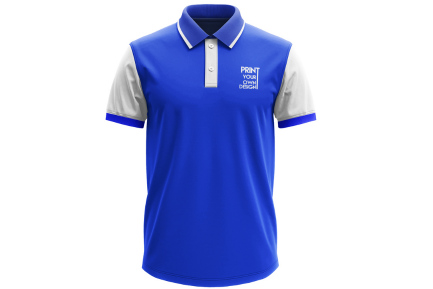
T-shirt
Introduction
The T-shirt is one of the most universal and versatile pieces of clothing in the United States. From casual everyday wear to statement fashion pieces, T-shirts have evolved far beyond their original role as simple undergarments. Today, they are a staple in nearly every wardrobe, worn by people of all ages, styles, and backgrounds. Whether you’re dressing for comfort, style, or function, choosing the right T-shirt can make a noticeable difference in how you look and feel.
However, with countless options available in the US market—ranging from budget basics to premium designer brands—finding the perfect T-shirt can feel overwhelming. Fabric types, fits, sizes, cuts, colors, and price points all play a role in determining what works best for you. What might seem like a simple purchase can quickly become confusing without the right guidance.
This comprehensive guide will walk you through everything you need to know about selecting the perfect T-shirt in the US. From understanding materials and fits to evaluating quality and sustainability, you’ll gain the knowledge needed to make informed decisions that suit your lifestyle and personal style.
Understanding the Purpose of Your T-shirt
Before diving into technical details, it’s important to consider why you are buying a T-shirt. Not all T-shirts serve the same purpose, and identifying your needs will help narrow down your options.
If you’re looking for everyday casual wear, comfort and durability should be your priorities. A soft cotton T-shirt that withstands frequent washing is ideal. For workouts or athletic use, moisture-wicking fabrics and breathability become more important. On the other hand, if you want a T-shirt for styling or fashion, you may prioritize fit, color, and design over practicality.
In the US, T-shirts are also often used as a means of self-expression. Graphic prints, slogans, and branded logos can reflect personal interests, beliefs, or affiliations. Understanding your purpose helps ensure you choose a T-shirt that aligns with your goals.
Choosing the Right Fabric
The fabric is one of the most important factors when selecting a T-shirt. It directly affects comfort, durability, and overall quality.
Cotton
Cotton is the most popular fabric for T-shirts in the US. It is soft, breathable, and suitable for everyday wear. There are several types of cotton to consider:
- Combed cotton: Smoother and stronger due to the removal of impurities.
- Ring-spun cotton: Finer, softer, and more durable.
- Organic cotton: Grown without harmful chemicals, making it eco-friendly.
Polyester
Polyester is commonly used in athletic T-shirts. It is lightweight, moisture-wicking, and resistant to shrinking and wrinkles. However, it may not feel as soft as cotton.
Blends
Blended fabrics combine cotton with polyester or other materials. These blends offer the best of both worlds—comfort and durability. For example, a cotton-poly blend is less likely to shrink and often retains its shape better.
Specialty Fabrics
Some premium T-shirts use fabrics like bamboo, modal, or tri-blends. These materials are extremely soft and often considered luxury options.
Finding the Perfect Fit
Fit is crucial when choosing a T-shirt. Even high-quality fabric won’t look good if the fit is off.
Slim Fit
Slim-fit T-shirts are tailored closer to the body. They are ideal for a modern, stylish look but may feel restrictive for some people.
Regular Fit
Regular fit offers a balanced cut that suits most body types. It provides comfort without being too loose or too tight.
Relaxed Fit
Relaxed or oversized T-shirts provide maximum comfort and a casual aesthetic. They are popular in streetwear fashion.
Key Fit Areas to Check
- Shoulders: Seams should align with your shoulder edges.
- Chest: Should not be too tight or too loose.
- Length: Ideally ends around mid-hip.
- Sleeves: Should hit around the mid-bicep.
Trying on different fits or checking size charts is essential, especially since sizing can vary between US brands.
Understanding Sizing in the US
T-shirt sizing in the US typically ranges from XS to XXL and beyond. However, sizes are not always consistent across brands.
Tips for Accurate Sizing
- Always check the brand’s size chart.
- Measure your chest and compare it with sizing guides.
- Consider shrinkage—cotton T-shirts may shrink slightly after washing.
- Read customer reviews for insights on fit.
If you’re shopping online, these steps can help avoid returns and ensure a better fit.
Evaluating Quality
Not all T-shirts are created equal. Understanding how to assess quality can save you money in the long run.
Fabric Weight
Fabric weight is measured in GSM (grams per square meter). Higher GSM usually indicates a thicker, more durable T-shirt.
- Lightweight (120–150 GSM): Best for hot weather.
- Medium weight (150–180 GSM): Ideal for everyday wear.
- Heavyweight (180+ GSM): Durable and structured.
Stitching
Check the stitching along the seams. High-quality T-shirts have tight, even stitching without loose threads.
Neckline
A good neckline should retain its shape over time. Ribbed collars with reinforced stitching are more durable.
Choosing the Right Color and Style
Color plays a major role in versatility and style.
Basic Colors
Neutral colors like white, black, gray, and navy are wardrobe essentials. They are easy to pair with different outfits.
Bold Colors
Bright colors can make a statement but may be harder to match. Choose shades that complement your skin tone.
Graphic vs Plain
- Plain T-shirts: Versatile and timeless.
- Graphic T-shirts: Express personality and interests.
In the US, graphic T-shirts are particularly popular among younger audiences and casual dressers.
Considering Price and Value
T-shirt prices in the US can vary widely—from a few dollars to over $100.
Budget Options
Affordable T-shirts are widely available and suitable for everyday use. However, they may wear out faster.
Mid-Range Options
These offer a balance between quality and price. They often use better materials and construction.
Premium Options
High-end T-shirts focus on superior fabrics, craftsmanship, and brand value. They are more durable but come at a higher cost.
When evaluating price, consider cost per wear rather than just the initial price.
Sustainability and Ethical Choices
Sustainability is becoming increasingly important in the US fashion industry.
Eco-Friendly Fabrics
Look for T-shirts made from organic cotton or recycled materials.
Ethical Production
Some brands prioritize fair wages and safe working conditions for workers.
Longevity
Buying high-quality T-shirts that last longer reduces waste and is better for the environment.
Making conscious choices not only benefits you but also contributes to a more sustainable fashion industry.
Care and Maintenance
Proper care extends the life of your T-shirt.
Washing Tips
- Wash in cold water to prevent shrinking.
- Turn T-shirts inside out to protect prints.
- Use mild detergent.
Drying Tips
- Air drying is الأفضل for maintaining shape.
- Avoid high heat in dryers.
Storage
Fold T-shirts neatly or hang them to avoid wrinkles.
Shopping Tips for the US Market
Shopping for T-shirts in the US offers both in-store and online options.
In-Store Shopping
Allows you to try on different fits and feel the fabric before purchasing.
Online Shopping
Offers convenience and a wider selection. Be sure to check return policies.
Seasonal Sales
Take advantage of discounts during major sales events to get better deals.
Common Mistakes to Avoid
- Ignoring fabric quality
- Choosing the wrong size
- Overlooking care instructions
- Buying based solely on price
- Not considering versatility
Avoiding these mistakes can help you make smarter purchasing decisions.
Conclusion
Choosing the perfect T-shirt in the US involves more than just picking a color or size. It requires an understanding of fabric, fit, quality, and personal preferences. With so many options available, taking the time to evaluate your needs and consider key factors can make a significant difference.
A well-chosen T-shirt not only enhances your appearance but also provides comfort and confidence in your daily life. Whether you’re building a basic wardrobe or exploring new styles, the right T-shirt can serve as a foundation for countless outfits.